Japan Tour: Izu's Five Bridges of Love in Shuzenji
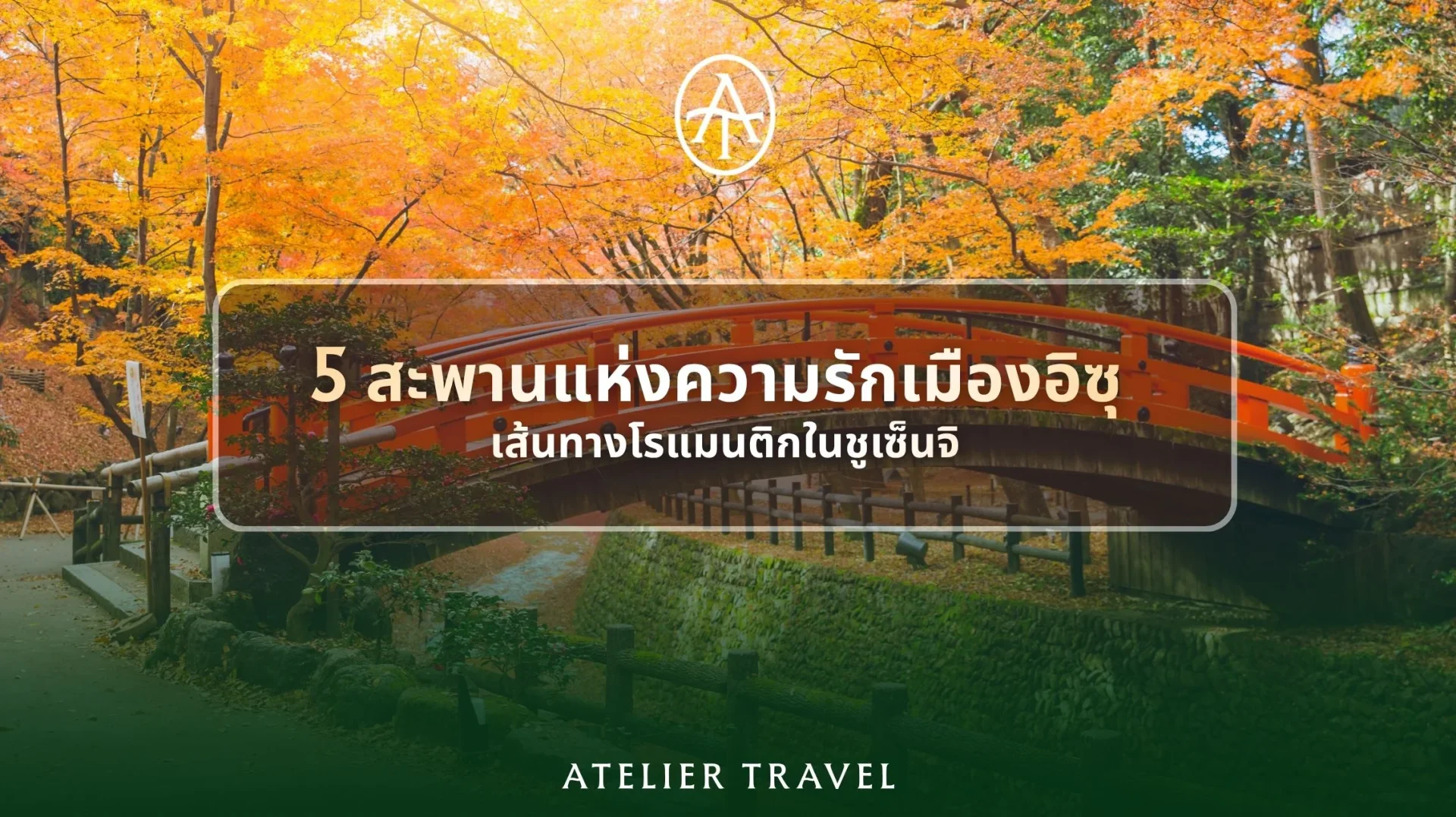
If you are planning a Japan tour with nature, local stories and a romantic atmosphere, the Five Bridges of Love in Shuzenji Onsen deserve a place on your itinerary. Set in Izu, Shizuoka Prefecture, this riverside walk follows the Katsura River through a historic hot-spring town filled with ryokan inns, temples, shrines, a bamboo-lined path and scenery that changes with the seasons.
The five bridges are more than picturesque stops. Their names and stories trace the stages of love: meeting, longing, forming a bond, standing beside one another and finding peace. The route welcomes couples, solo travellers, families and anyone seeking a quiet moment during their journey.
Where Are Izu's Five Bridges of Love?
The bridges cross the Katsura River in the centre of Shuzenji Onsen, in Izu City, Shizuoka Prefecture. All five are within walking distance of one another. Along the way, you will find Shuzenji Temple, the Chikurin-no-Komichi bamboo path, Tokko-no-Yu hot spring and Shigetsuden Hall.
Local tradition suggests that crossing all five bridges while making a wish may bring fulfilment in love. You can also look for each bridge's granite emblem, known as a Kyoumon, set in different places around the bridges. Finding all five adds a playful detail to a leisurely walk.
This belief is a cultural story, not a promise of a particular outcome. Its appeal lies in the chance to reflect on a wish and share a memorable experience with someone important to you.
The Love Story Behind the Shuzenji Bridges
A Connection with Shuzenji Monogatari
Shuzenji's romantic atmosphere is associated with Shuzenji Monogatari, a play by Okamoto Kido. Its story involves Minamoto no Yoriie, the second shogun of the Kamakura government, and Katsura, the daughter of a mask maker.
The tale gives the river and its bridges an emotional connection with love, attachment and the course of a life. Although the story is not simply a sweet romance, it adds a thoughtful dimension to what might otherwise be a straightforward walk around town.
The bridges' alternative names also form a sequence: meeting, yearning, joining together, staying close and finding tranquillity. These themes give the walk meaning for many kinds of traveller, not only couples on a romantic Japan tour.
Discover the Five Bridges of Love on Your Japan Tour
1. Togetsu Bridge: A First Meeting
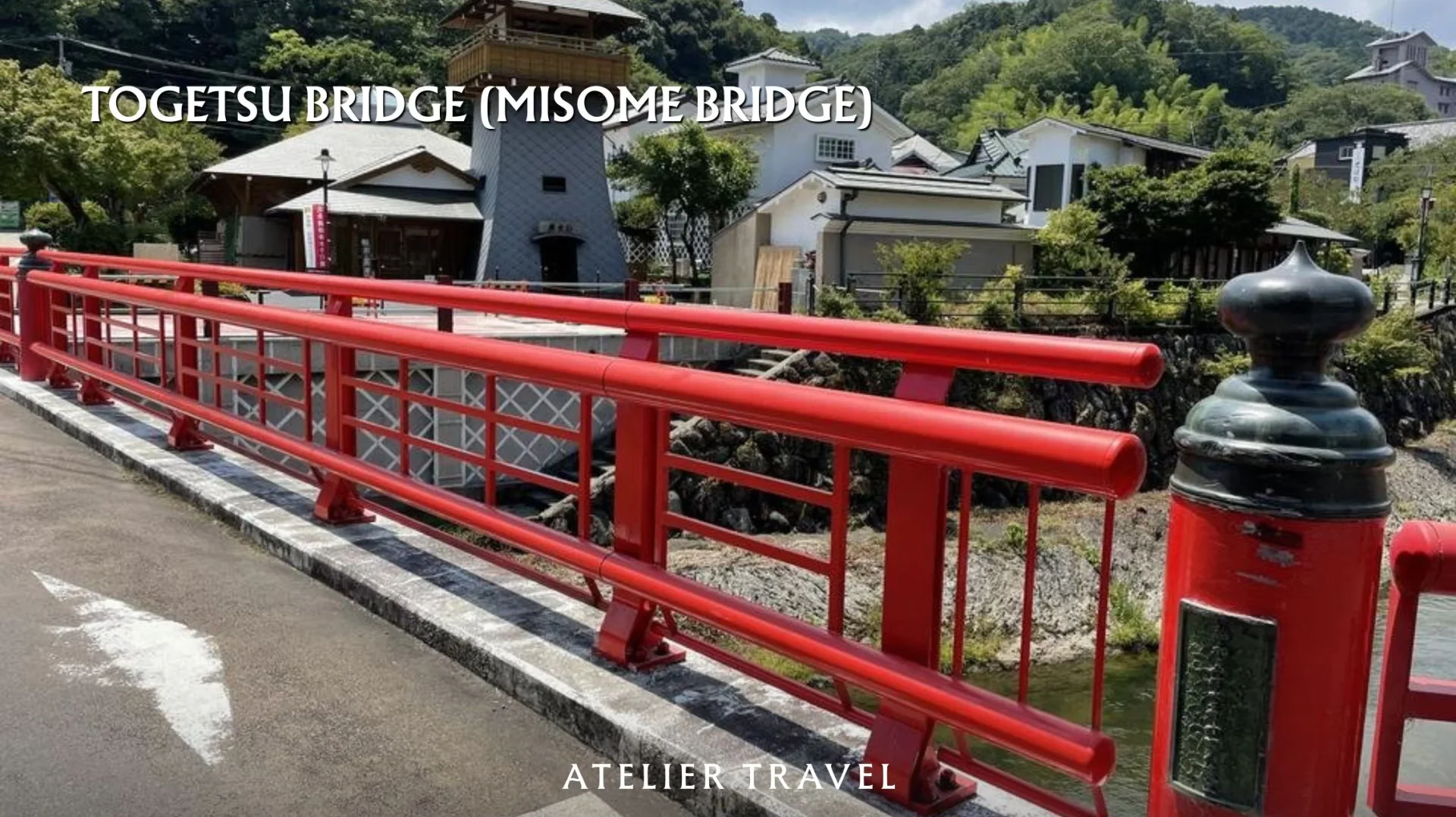
Photo credit: multi.andtrip.jp
Togetsu Bridge is also called Misomebashi, a name associated with meeting someone who catches your heart. It is linked with wishes for a positive new relationship or a fresh opportunity in life.
For a solo traveller, crossing the bridge can be a quiet moment to welcome new people and experiences. For a couple, it offers a gentle starting point for remembering how their own relationship began.
Near important landmarks in central Shuzenji, Togetsu makes a convenient starting point for the route. An early-morning visit, before the town becomes busy, brings the sound of flowing water and a view of the bridge framed by the surrounding Japanese buildings.
2. Kokei Bridge: Hopes and Longing
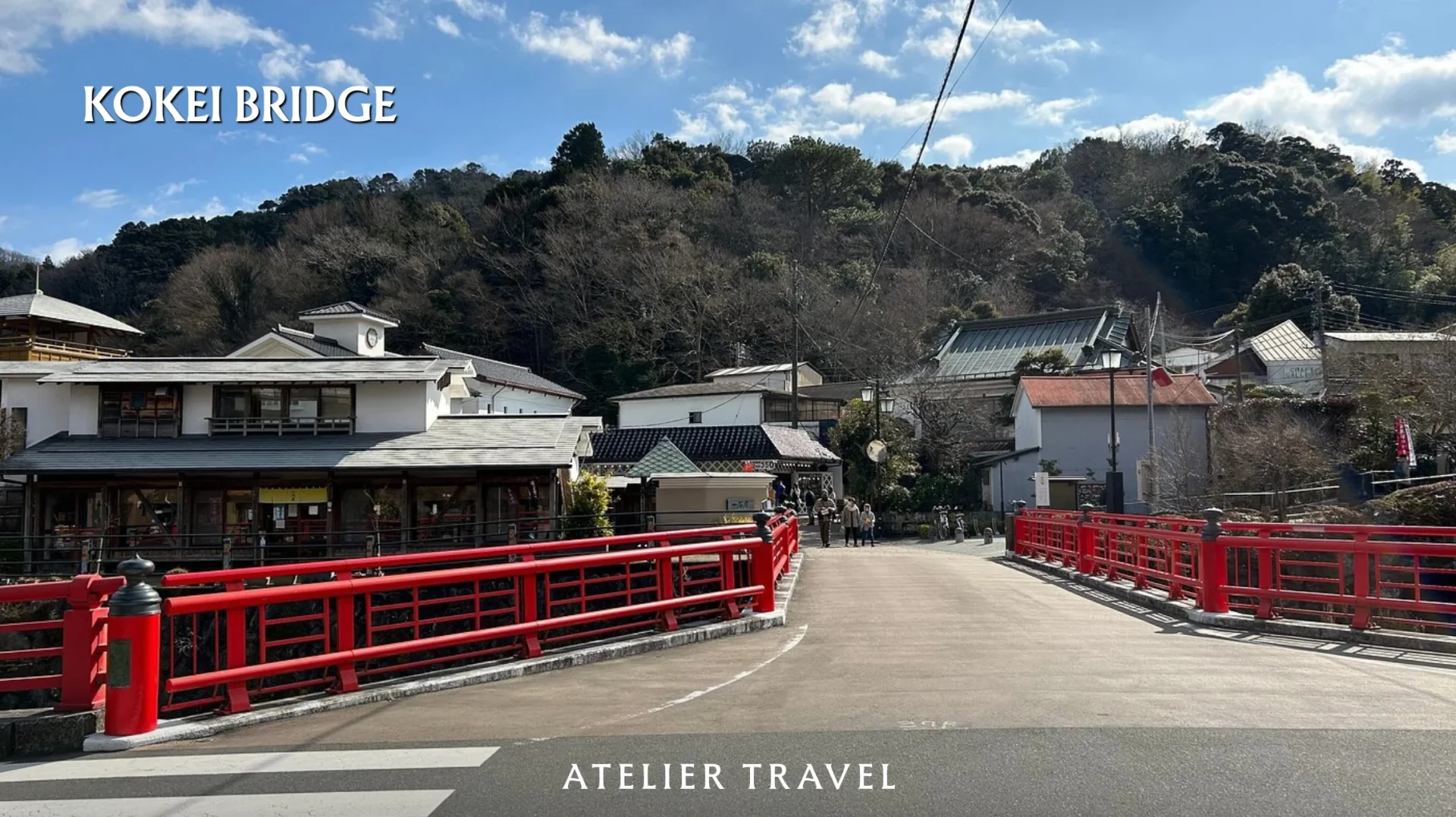
Photo credit: YacchanAmarone
Kokei Bridge has the alternative name Akogarebashi, expressing longing or aspiration. Its meaning suits those with someone special in mind, or those hoping a relationship will gradually develop in a positive direction.
The idea extends beyond romantic love. A wish here might concern understanding someone better, reconnecting with family or nurturing a kinder relationship with yourself.
The nearby area includes a temple and historic hot springs. Pause to appreciate the architecture and local history before continuing the walk at your own pace.
3. Katsura Bridge: A Lasting Bond
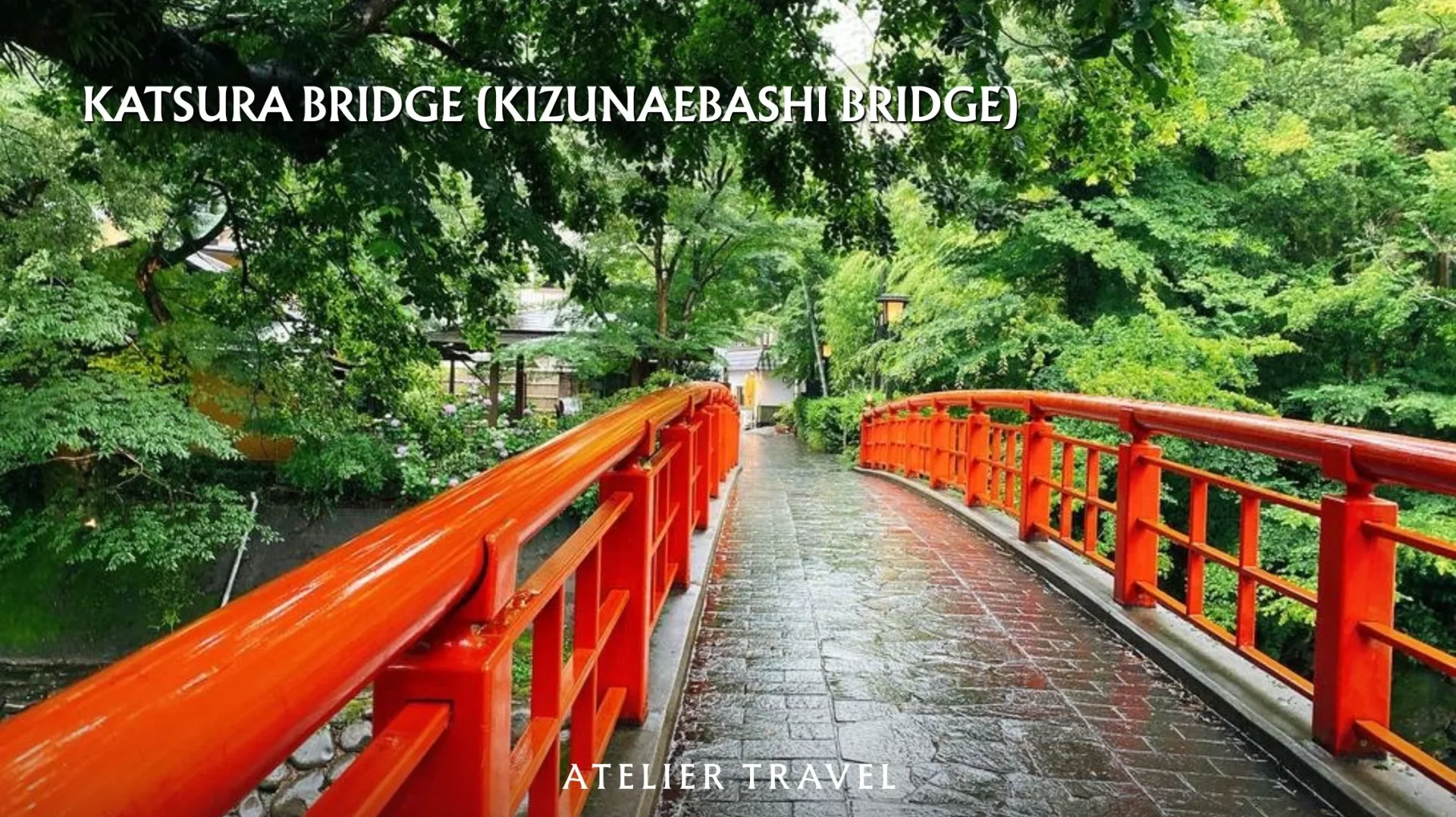
Photo credit: multi.andtrip.jp
Katsura Bridge is also known as Musubarebashi, expressing connection and the forming of a bond. Its leafy setting near the bamboo path makes it a popular place for photographs.
The red bridge stands out against green trees and the river. In autumn, orange, red and golden foliage adds another layer of colour, creating one of the route's most memorable views.
Take a moment to think about a relationship you wish to care for, whether with a partner, family member, friend or another important person. Continue into Chikurin-no-Komichi, where the bamboo-lined path offers a peaceful setting for reflection and time together.
4. Kaede Bridge: Standing Side by Side
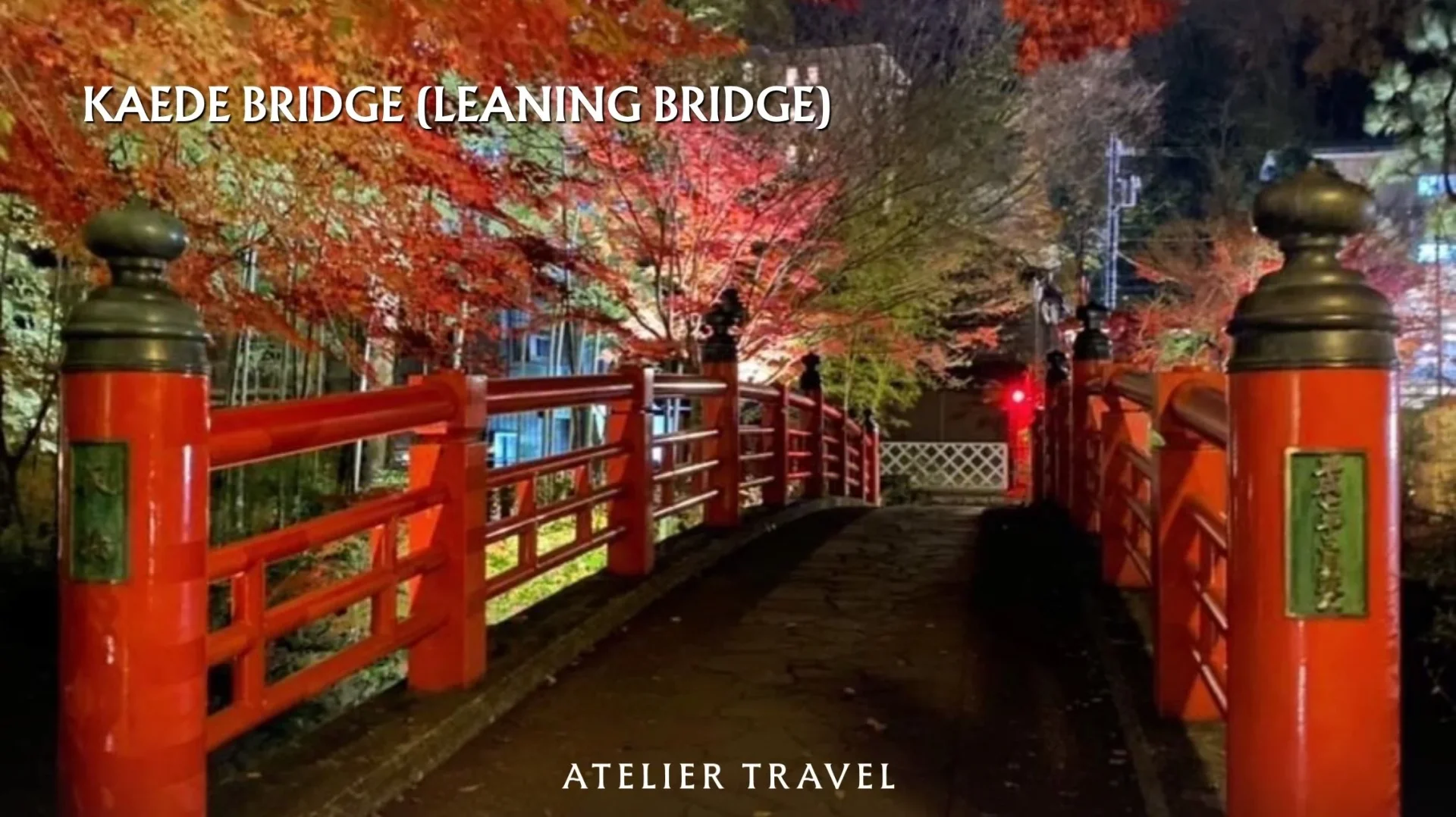
Photo credit: multi.andtrip.jp
Kaede Bridge has the alternative name Yorisoibashi, suggesting closeness and companionship. Its meaning reflects a stage of love shaped not only by excitement, but also by listening, supporting one another and moving in the same direction.
Close to the bamboo path, the bridge offers a romantic backdrop for couples and a memorable photo stop for families exploring Shuzenji.
Evening brings a different atmosphere, as parts of the hot-spring town and bamboo path are illuminated. Check the latest arrangements before your Japan tour, because lighting schedules and events can change.
5. Takishita Bridge: Peace of Mind
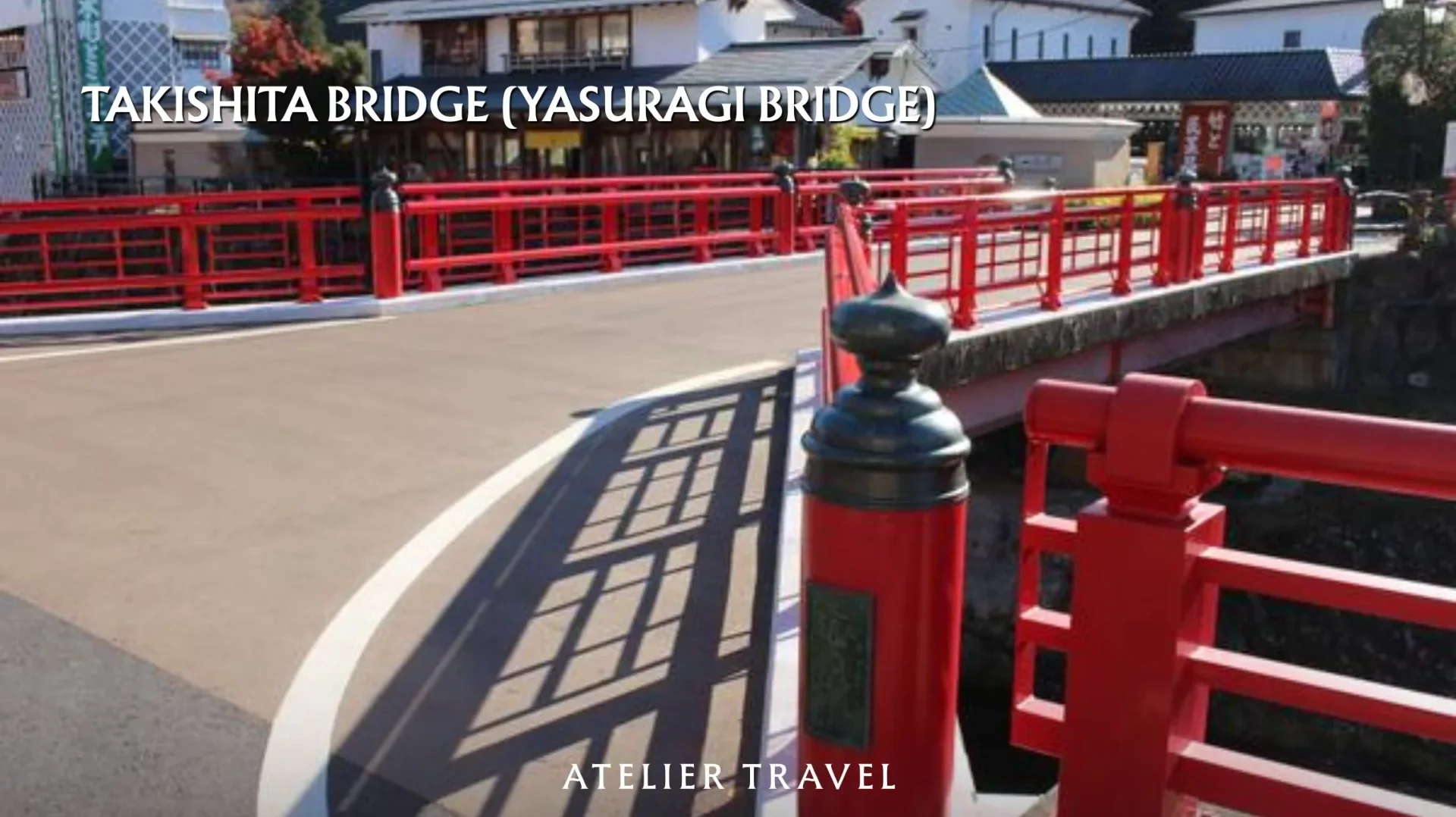
Photo credit: multi.andtrip.jp
Takishita Bridge is also called Yasuragibashi, a name suggesting calm and reassurance. It forms a fitting conclusion to a route through meeting, longing, connection and companionship. After all, many people seek a relationship in which they feel safe and able to be themselves.
Nearby Akagaeru Park is a quiet area on the western side of Shuzenji. Cherry blossoms can be seen in spring. From late May to early June, there may also be opportunities to see fireflies, depending on natural conditions and the weather.
At the final bridge, pause to listen to the river and consider how you might care for the relationships that matter to you. The value of this walk need not lie only in making a wish; it can also lie in choosing how to act on it afterwards.
Where to Go After Visiting All Five Bridges
Shigetsuden Hall and the Fortune-Telling Stone
Izu's tourism website suggests visiting Shigetsuden Hall after crossing all five bridges. Here, visitors can try lifting the Oukagai-ishi, a fortune-telling stone, while holding a question or wish in mind before lifting it again.
According to local belief, if the stone feels lighter the second time, a wish may be moving towards fulfilment. If it feels heavier, this can be interpreted as encouragement to reflect or make further effort. Approach the tradition respectfully and follow the guidance provided at the site.
Shuzenji Temple and the Bamboo Path
Shuzenji Temple is a historic centre of the hot-spring town. The Japan National Tourism Organization dates its foundation to AD 807 and associates it with Kukai, also known as Kobo Daishi. Explore the temple's atmosphere before continuing to the bamboo path and other riverside landmarks.
Dress respectfully, speak quietly and leave space for worshippers. Check local signs before taking photographs inside buildings.
How to Include Shuzenji Onsen in a Japan Tour
Travelling from Tokyo by Train and Bus
Shuzenji is approximately two and a half hours from Tokyo by train and bus. From Mishima Station, take the Izu Hakone Railway to Shuzenji Station, then continue by bus to Shuzenji Onsen. The bus journey takes approximately ten minutes.
Check the latest services for your travel date, especially if you plan to return to Tokyo the same day. Local buses may operate less frequently than transport in larger cities.
For older travellers, families with children or anyone carrying several bags, a private vehicle with a driver can reduce transfers and offer greater flexibility for stops at viewpoints, restaurants or ryokan along the route.
A Private Journey with Atelier Travel's Limousine Service
For couples, families, older travellers and small groups seeking a comfortable journey with luggage, Atelier Travel can help plan and coordinate a private vehicle with a driver for the route to Shuzenji Onsen. Pick-up and drop-off points can be arranged around your itinerary, including airports, Tokyo hotels, railway stations or other destinations along the way, subject to the route and service conditions at the time.
A limousine service reduces the inconvenience of repeated transfers and carrying luggage through stations. It also allows travel times to be coordinated with ryokan check-in. Depending on the itinerary, the journey can include Hakone, Atami, viewpoints, restaurants or other places on the Izu Peninsula before reaching Shuzenji.
This approach suits a private Japan tour for travellers who value a more personal experience than public transport can offer. The team considers passenger numbers, luggage and the route when arranging the type of vehicle and planning pick-up and drop-off times for each day.
It reflects the approach taken in Atelier Travel's Izu, Kanagawa and Tokyo itinerary, which is designed around a vehicle and a driver familiar with the route.
Before booking, share your travel dates, pick-up and drop-off points, passenger numbers, luggage quantities, child-seat requirements and preferred stops. Confirm the included service hours, tolls, parking fees, overtime charges and any conditions for winter travel or popular holiday periods. Costs and vehicle availability may vary with the date and actual route.
Explore Atelier Travel's Limousine Service and transfer arrangements, then speak with the team about a Tokyo–Shuzenji Onsen journey tailored to your group's travel style.
When to Visit the Five Bridges of Love
Choose the Season That Suits Your Travel Style
Spring suits travellers who enjoy mild weather and flowers. Summer brings lush greenery beside the river, although rain and humidity are possible. Autumn is a popular time for colourful foliage around the bridges and bamboo path.
Winter can be quieter during some periods. Cool weather lends itself to a ryokan stay and time in an onsen, but shorter daylight hours make an early start and careful transport planning worthwhile.
For photographs with fewer people, begin in the morning. Weekdays are generally quieter than holidays. For a romantic atmosphere, consider a walk before sunset and an overnight stay in Shuzenji, so you do not need to rush back after sightseeing.
Practical Japan Tour Tips for Izu
Prepare for the Bridges of Love Walk
Wear comfortable shoes for the combination of roads, slopes and riverside paths. Carry a folding umbrella when the forecast is uncertain, and check bus services and accommodation check-in times in advance.
Although the bridges are open public spaces and Izu's website lists no regular closing days, nearby shops, attractions and services keep their own hours. Confirm individual opening times before setting out.
A private Japan tour can connect Shuzenji with other places on the Izu Peninsula, or form part of a journey from Tokyo, Hakone and the Mount Fuji area. Staying overnight allows more time for the bridges, local food and hot springs without rushing.
Frequently Asked Questions About the Five Bridges of Love
Do You Need to Visit as a Couple?
No. Solo travellers can reflect on welcoming positive relationships, while families and friends can celebrate their bonds. The walk also offers a peaceful opportunity for independent travellers to pause and care for their own wellbeing.
Must You Cross the Bridges in a Particular Order?
There is no requirement to start at a specific bridge. Following the meanings from a first meeting through to peace of mind can make the story feel more continuous. Check a map and choose a starting point that suits your accommodation and transport.
How Long Does the Walk Take?
The time depends on your starting point, walking pace and the places you visit along the way. If you want to explore the temple and bamboo path, take photographs and stop for a meal, allow at least half a day. A walk intended for relaxation is more rewarding without a tight schedule.
Is There an Admission Fee?
According to Izu's tourism information, the bridges form part of the hot-spring town and are free to visit. Nearby attractions, activities and services may have their own charges and opening hours.
A Thoughtful Japan Tour Through Izu's Hot-Spring Town
The Five Bridges of Love offer more than a tradition of making wishes. They introduce Shuzenji through stories, history, nature and everyday life. Each bridge represents a stage of a relationship: meeting, longing, connection, companionship and peace.
A well-planned Japan tour is not simply about fitting in as many places as possible. It is about choosing the right pace, timing and experiences for the traveller. For a private journey through Izu, with a route, accommodation, transport and details shaped around your interests, Atelier Travel's specialists can help turn the trip into a story with personal meaning.