7 สิ่งมหัศจรรย์ของยุโรปในปี 2026
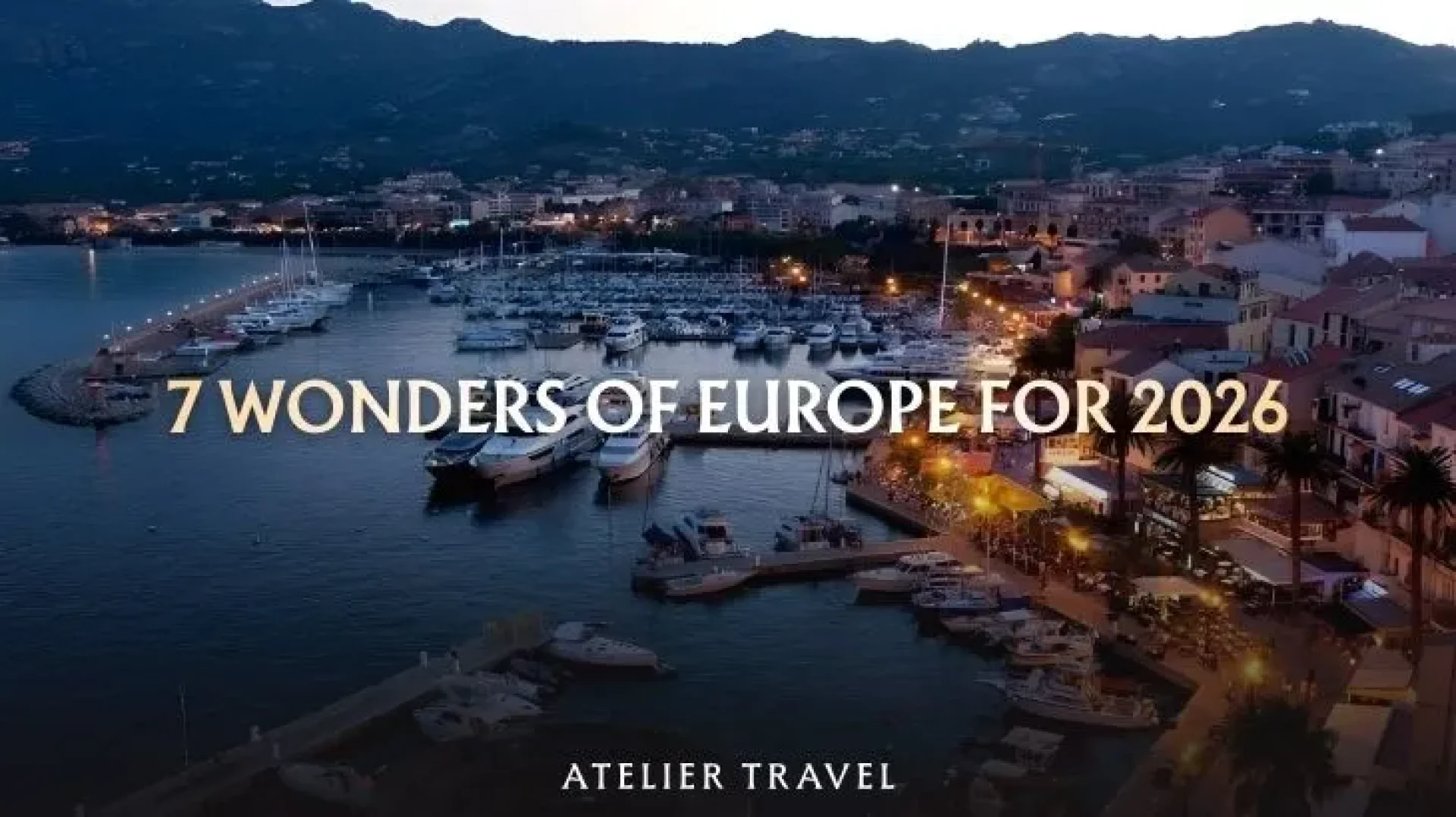
7 สิ่งมหัศจรรย์ยุโรปในบทความนี้เป็น 7 จุดหมายจากบทความแนะนำการเดินทางของ Condé Nast Traveller สำหรับปี 2026 ไม่ใช่รายชื่อสิ่งมหัศจรรย์โลกหรือรางวัลจัดอันดับอย่างเป็นทางการ ใช้เป็นแรงบันดาลใจสำหรับเลือกเส้นทางเที่ยวยุโรปให้ตรงความสนใจ โดยไม่จำเป็นต้องรวมทุกแห่งไว้ในทริปเดียว
ยุโรปมีเสน่ห์ที่ไม่เคยจางหาย แต่ลึกลงไปภายใต้แสงสีของเมืองยอดฮิต ยังมีอีกแง่มุมที่สงบเงียบและเปี่ยมด้วยจิตวิญญาณ รอคอยให้ผู้ที่ยอมละทิ้งเส้นทางเดิมๆ ได้เข้าไปสัมผัสผ่านความใจเย็นและความประณีต
7 สิ่งมหัศจรรย์แห่งยุโรปประจำปี 2026 ของเรา ไม่ใช่จุดหมายที่ป่าวประกาศเรียกหาความสนใจ แต่คือของขวัญสำหรับนักเดินทางที่พร้อมจะออกห่างจากประตูสนามบินให้ไกลขึ้น และใช้เวลาดื่มด่ำให้ช้าลงกว่าที่เคย สถานที่เหล่านี้คือบทพิสูจน์ว่า ความรื่นรมย์ที่ตราตรึงที่สุดของยุโรป มักจะเผยโฉมอย่างอ่อนโยนให้แก่ผู้ที่ตั้งใจค้นหาเสมอ
1. Calvi, Corsica: เมืองชายฝั่งฝรั่งเศส
Credit: Getty Images
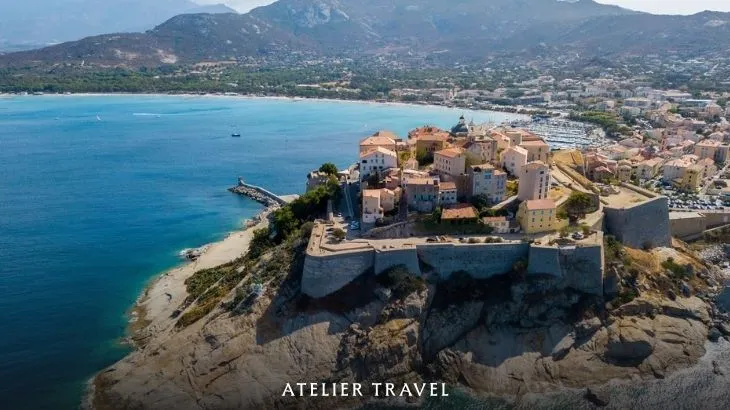
กาลวี (Calvi) บนเกาะคอร์ซิกา ประเทศฝรั่งเศส เป็นจุดหมายที่ผสมผสานเมืองป้อมปราการ ท่าเรือ และภูมิทัศน์ชายฝั่ง เหมาะสำหรับผู้ที่อยากวางแผนเที่ยวเกาะควบคู่กับเมืองเก่า
ทว่าในขณะที่เมืองตากอากาศอื่นทั่วโลกเติบโตจนจำเค้าเดิมไม่ได้ กาลวีกลับยังคงมนต์เสน่ห์ความเงียบสงบเอาไว้ได้อย่างน่าอัศจรรย์ อาจเพราะเทือกเขาสูงตระหง่านที่โอบล้อมเป็นปราการธรรมชาติ หรือความตั้งใจของทางการที่ไม่ยอมให้เมืองนี้กลายเป็นรีสอร์ตพิมพ์นิยม กาลวีในวันนี้จึงยังคงเป็นเมืองป้อมปราการยุคกลางที่อบอวลด้วยแสงแดดและตำนาน ไม่ว่าจะเป็นเรื่องเล่าที่ว่านี่คือบ้านเกิดของ คริสโตเฟอร์ โคลัมบัส หรือที่ซ่อนตัวของ นโปเลียน ในช่วงปฏิวัติฝรั่งเศส
หากสนใจเทศกาลดนตรี ควรตรวจชื่อกิจกรรมและกำหนดจัดของปีที่เดินทางจากผู้จัดโดยตรง แม้ที่นี่จะเป็นจุดจอดเรือยอร์ชลำหรูจากนีซ แต่กาลวียังคงความถ่อมตัวและน่าค้นหา เป็นมุมที่รื่นรมย์ที่สุดในฝรั่งเศสสำหรับการนั่งจิบไวน์มัสกัตท้องถิ่น พลางทอดสายตาดูภูเขาที่บรรจบกับเส้นขอบฟ้าสีคราม
2. Alentejo Coast: ชายฝั่งโปรตุเกส
Credit: Getty Images
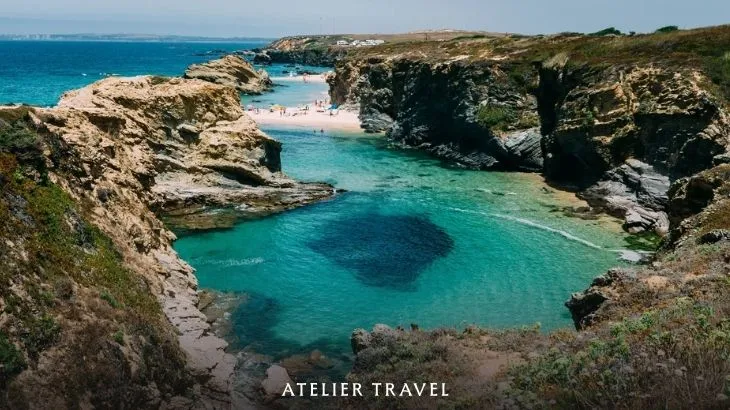
หากคุณเดินทางลงใต้จากกอมปอร์ตามุ่งสู่ชายขอบแคว้นอัลการ์ฟ คุณจะได้พบกับ อาเลนเตฌู (Alentejo) ดินแดนที่ตัดขาดจากความวุ่นวายของรีสอร์ตหรูและสนามกอล์ฟที่ประดิษฐ์ประดอย ที่นี่คือภาพสะท้อนของโปรตุเกสในจังหวะที่แผ่วเบาและเป็นธรรมชาติที่สุด
เบื้องหน้าคือชายหาดแอตแลนติกทอดยาวสุดสายตา เบื้องหลังโอบล้อมด้วยป่าไม้ก๊อกและนาข้าวสีเขียวขจี ที่นี่ไม่มีตารางบินของสายการบินใดมากำหนดจังหวะชีวิต เพราะชาวบ้านยังคงก้าวเดินตามจังหวะน้ำขึ้นน้ำลงของการประมง แสงแดดของอาเลนเตฌูมีความใสกระจ่างเป็นพิเศษ มันขับเน้นให้ท้องฟ้ากว้างดูตระการตาและทอประกายระยิบระยับบนผืนทรายราวกับต้องมนต์
ลองปล่อยใจไปกับเส้นทางเลียบหน้าผา โรตา วิเซนตินา (Rota Vicentina) หากมีเวลาเดินทางเพิ่ม อาจแยกเส้นทางเข้าสู่พื้นที่ตอนในไปยัง มอนซาราส (Monsaraz) ซึ่งอยู่ใกล้ทะเลสาบ Alqueva ไม่ใช่จุดแวะบนเส้นทางชายฝั่งโดยตรง หมู่บ้านยุคกลางสีขาวโพลนที่เป็นนิยามของความสงบเงียบชวนฝัน ท่ามกลางปราสาทและตรอกซอกซอยปูหิน คุณจะได้พบกับวิวทิวทัศน์ที่กว้างไกลเหนือที่ราบอาเลนเตฌู... วิวที่จะทำให้คุณลืมเวลาไปโดยปริยาย
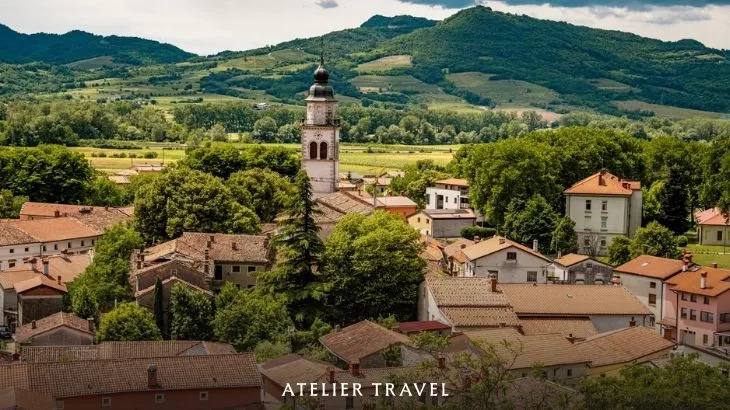
3. Vipava Valley: หุบเขาไวน์สโลวีเนีย
Credit: Getty Images
หุบเขาเร้นลับแห่งสโลวีเนียที่ซ่อนตัวอยู่ระหว่างเทือกเขาแอลป์และทะเล
เดินทางเชื่อมจากเมืองลูบลิยานาหรือตรีเยสเตได้ โดยควรตรวจระยะเวลาตามเส้นทางและการจราจร แต่ หุบเขาวีปาวา (Vipava Valley) กลับเป็นรอยแยกยาว 30 ไมล์ที่คนนอกน้อยคนนักจะเคยมาเยือน ที่นี่ถูกโอบล้อมด้วยที่ราบสูงสามแห่ง เป็นสวรรค์ลับๆ ของเหล่านักปีนหน้าผาและนักปั่นจักรยานที่หลงใหลในยอดเขาเนโนส (Nanos)
เสน่ห์ของวีปาวาไม่ได้มีแค่กิจกรรมแอดเวนเจอร์ แต่ที่นี่คือหนึ่งในแหล่งผลิตไวน์ที่น่าตื่นตาตื่นใจที่สุดในยุโรป โรงบ่มไวน์อย่าง Burja หรือ Lepa Vida กำลังสร้างชื่อด้วยการปลูกองุ่นขาวสายพันธุ์ท้องถิ่นอย่าง Zelen และ Pinela ซึ่งให้รสชาติที่มีเอกลักษณ์โดดเด่นและจริงจัง แม้จะยังไม่เป็นที่รู้จักกว้างขวางในระดับสากลนัก
ตัวเมืองวีปาวาเองก็ให้ความรู้สึกเหมือน "ความลับเฉพาะคนใน" มีสายน้ำไหลผ่านตัวเมืองและลอดใต้บ้านเรือนอย่างสงบ ท่ามกลางพระราชวังบารอกและจัตุรัสที่สวยงาม ที่นี่คือจุดหมายปลายทางในอุดมคติสำหรับใครที่อยากสัมผัสยุโรปในมุมที่ยังบริสุทธิ์และซ่อนตัวอยู่อย่างมิดชิดที่สุด
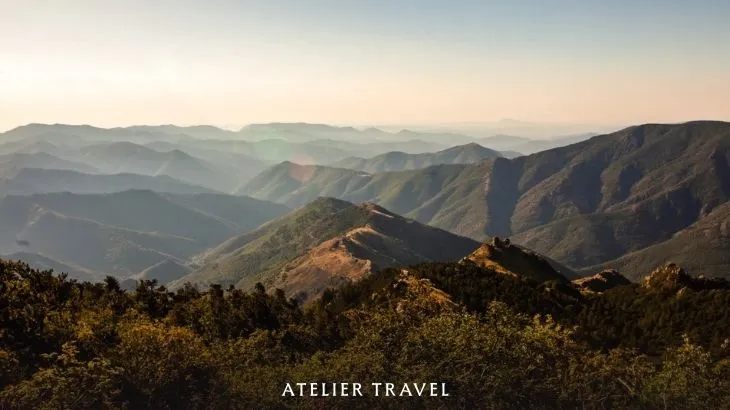
4. Cévennes National Park: ธรรมชาติฝรั่งเศส
Credit: Getty Images
ตามรอยตำนาน "เกาะมหาสมบัติ" สู่ดินแดนที่ดิบเถื่อนที่สุดในฝรั่งเศส
เมื่อออกจากเมืองใหญ่เข้าสู่พื้นที่ภูเขา คุณจะพบว่าตัวเองหลุดเข้ามาอยู่ในโลกของป่าเกาลัดและสันเขาหินแกรนิตที่เงียบสงัด เซแวนน์ (Cévennes) เคยถูกบันทึกไว้ในหน้าประวัติศาสตร์วรรณกรรมจากการเดินทางในปี 1878 ของ โรเบิร์ต หลุยส์ สตีเวนสัน ที่ออกเดินเท้าข้ามดินแดนแห่งนี้พร้อมกับลาคู่ใจหนึ่งตัว จนกลายเป็นหนังสือ Travels with a Donkey in the Cévennes ซึ่งตีพิมพ์ในปี 1879
ในวันนี้ เซแวนน์ยังคงรักษาความบริสุทธิ์ไว้จนได้รับเลือกเป็นพื้นที่สงวนชีวมณฑลโดย UNESCO ที่นี่คือหนึ่งในอุทยานที่มืดมิดที่สุดในยามค่ำคืน มอบประสบการณ์ดูดาวที่งดงามจนลืมหายใจ ภูมิภาคนี้ไม่ใช่ฝรั่งเศสในแบบที่หรูหราหรือเต็มไปด้วยแฟชั่น แต่คือฝรั่งเศสในมุมของ "Auberges" (ที่พักหรือโรงแรมขนาดเล็กแบบชนบท) ที่อบอุ่นและเรียบง่าย ท่ามกลางโตรกผาและหุบเขาที่ดูลึกลับและขรึมขลังในเวลาเดียวกัน
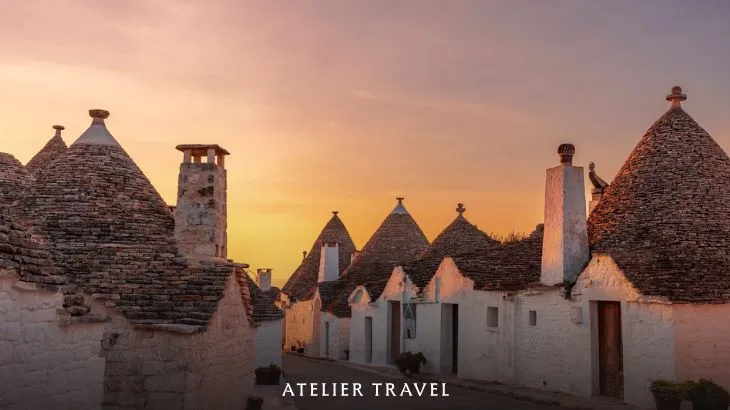
5. Valle d'Itria, Puglia: หมู่บ้านอิตาลี
Credit: Getty Images
มนต์เสน่ห์แห่งสีขาวและกลิ่นอายย้อนยุคใจกลาง "ส้นรองเท้า" อิตาลี
ท่ามกลางสวนมะกอกละลานตาและกำแพงหินโบราณที่เรียงตัวอย่างประณีต วัลเล ดิตริยา (Valle d'Itria) เผยโฉมออกมาในฐานะดินแดนที่อ่อนโยนที่สุดในแคว้นปูเกลีย ที่นี่คือที่ที่คุณจะได้ครอบครองความเงียบสงบไว้เพียงลำพัง ผ่านตรอกซอกซอยสีขาวสะอาดตาของเมืองโลโครโตนโด และมาร์ตินา ฟรังกา ที่ซึ่งเสียงระฆังโบสถ์ยังคงกังวานบอกจังหวะชีวิตที่เนิบช้า
ไฮไลต์ที่ห้ามพลาดคือการไปเยือน "ตรุลโล" (Trullo) บ้านทรงกรวยหินปูนอันเป็นเอกลักษณ์ในเมืองอัลเบโรเบลโล ซึ่งโดดเด่นด้วยกลุ่มบ้านหลังคาหินทรงกรวย และแทนที่จะหิ้วโมเดลบ้านจิ๋วกลับบ้าน เราขอแนะนำให้คุณเปลี่ยนเงินจำนวนนั้นไปแลกกับไวน์ขาว Incipit สักขวด ไวน์รสเลิศที่ทำจากองุ่นพันธุ์หายากอย่าง Minutolo 100% จากไร่ Cantina Masseria Torricella เพื่อเป็นการดื่มด่ำกับจิตวิญญาณของหุบเขาแห่งนี้อย่างแท้จริง
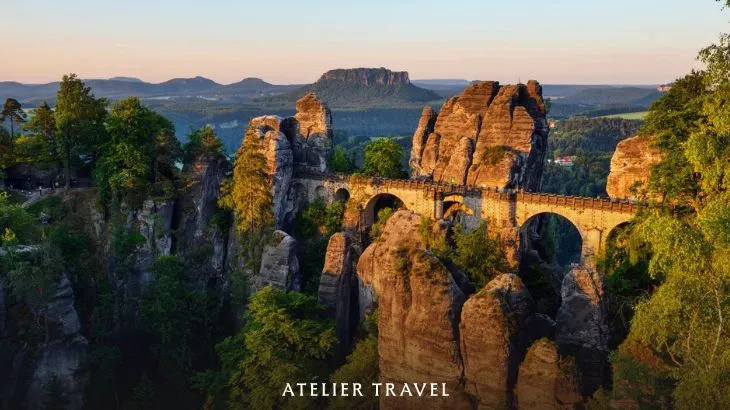
6. Saxon Switzerland: ภูมิทัศน์หินทรายในเยอรมนี
Credit: Getty Images
เมื่อภาพวาดชิ้นเอกระดับโลก... กลายเป็นความจริงอยู่ตรงหน้าคุณ
เพียงไม่กี่อึดใจจากเมืองเดรสเดิน คุณจะพบกับ "โลกอีกใบ" ที่เหมือนหลุดออกมาจากจินตนาการของจิตรกรยุคโรแมนติก แซกซอนสวิตเซอร์แลนด์ (Saxon Switzerland) ปรากฏกายด้วยหอคอยหินทรายตระหง่านและโตรกผาที่โอบล้อมด้วยผืนป่า สถานที่แห่งนี้คือแรงบันดาลใจเบื้องหลังภาพวาด Wanderer Above the Sea of Fog ของ คาสพาร์ เดวิด ฟรีดริช ซึ่งแม้เวลาจะผ่านไปกว่าสองศตวรรษ แต่สายหมอกที่ปกคลุมหุบเขาในยามเช้าที่นี่ยังคงดูขลังและเปี่ยมพลังไม่เสื่อมคลาย
คุณสามารถเลือกท้าทายตนเองบนเส้นทาง Malerweg (เส้นทางสายจิตรกร) หรือเพียงแค่ปล่อยตัวปล่อยใจไปกับเสน่ห์ของเมืองเล็กๆ อย่างราเทินและชมิลกาที่ปูด้วยถนนหินอันแสนอบอุ่น แซกซอนสวิตเซอร์แลนด์อาจฟังดูเหมือนชื่อในนิยาย แต่ความมหัศจรรย์ของที่นี่คือเรื่องจริงที่งดงามไม่แพ้เทพนิยายเรื่องใดของพี่น้องตระกูลกริมม์เลยทีเดียว
7. Mani Peninsula: คาบสมุทรกรีซ
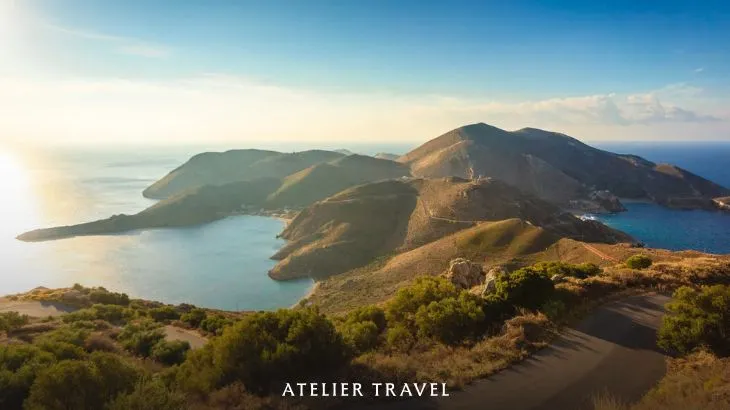
Credit: Getty Images
จิตวิญญาณนักรบและความงามที่ถูกสตาฟไว้ในกาลเวลา
ที่ปลายสุดทางใต้ของภูมิภาคเพโลพอนนีส คาบสมุทรมานี (Mani Peninsula) ทอดตัวอยู่อย่างโดดเดี่ยวและตัดขาดจากโลกภายนอก ที่นี่ไม่ใช่กรีซในแบบบ้านสีขาวหลังคาสีฟ้าที่เราคุ้นตา แต่เป็นดินแดนแห่ง "บ้านหอคอยหิน" ตระหง่านกลางภูมิประเทศอันแห้งแล้ง ที่สะท้อนถึงประวัติศาสตร์การปกป้องตนเองอันยาวนานของตระกูลต่างๆ ในอดีต
จากเมืองศูนย์กลางอย่าง อาเรโอโปลี (Areopoli) ถนนเส้นเล็กคดเคี้ยวจะพาคุณมุ่งหน้าสู่หมู่บ้าน วาทเทีย (Vathia) ที่ตั้งอยู่บนสันเขาแหลมคมราวกับคมมีด กลุ่มหอคอยหินที่เรียงรายดูคล้าย "เม่นหิน" ท้าทายแสงแดดและแรงลมมานานนับศตวรรษ มานีคือสถานที่ที่กลั่นกรองเอาความภาคภูมิใจ ความโดดเดี่ยว และจิตวิญญาณนักรบออกมาเป็นภาพเงาที่งดงามและเรียบง่ายอย่างดื้อรั้น เป็นฉากทัศน์สุดท้ายของยุโรปที่งดงามจนยากจะลืมเลือน
ขอบคุณข้อมูลจาก: https://www.cntraveller.com/article/7-wonders-of-europe-for-2026
วางแผนเที่ยวยุโรปจาก 7 จุดหมายนี้อย่างไร?
สถานที่ทั้งเจ็ดกระจายอยู่หลายประเทศและมีรูปแบบการเดินทางต่างกัน ควรเลือกหนึ่งภูมิภาคเป็นหลัก แล้วเผื่อเวลาเดินทาง พักผ่อน และกิจกรรม ไม่ควรเข้าใจว่าเป็นเส้นทางต่อเนื่องที่เที่ยวครบได้ในระยะเวลาสั้น
ควรตรวจอะไรล่วงหน้า?
ตรวจเส้นทางเดินและพื้นที่อุทยานที่เปิดให้เข้า ข้อจำกัดจากสภาพอากาศ ตั๋วเข้าชม และการจองกิจกรรมกับผู้ให้บริการจริง สำหรับเมืองบนเกาะ ควรตรวจตารางเรือหรือเที่ยวบินตามวันเดินทาง ไม่ใช้ตารางปีก่อนแทนปีปัจจุบัน
Saxon Switzerland อยู่สวิตเซอร์แลนด์หรือไม่?
ไม่ใช่ จุดหมายในบทความอยู่ในประเทศเยอรมนี แม้ชื่อภาษาอังกฤษจะมีคำว่า Switzerland จึงควรตรวจประเทศและจุดพักให้ถูกต้องเมื่อเลือกเส้นทาง
เลือกโปรแกรมยุโรปกับ Atelier Travel
Atelier Travel เป็น Luxury Travel Agency สำหรับทัวร์กรุ๊ปต่างประเทศระดับลักชัวรี หากสนใจประเทศหรือภูมิภาคในบทความ สามารถ สอบถามโปรแกรมยุโรปที่มีให้บริการ พร้อมตรวจโรงแรม การเดินทาง และรายการรวมก่อนจอง รายชื่อในบทความไม่ได้หมายความว่าทุกจุดหมายรวมอยู่ในทุกโปรแกรม
ข้อมูลเส้นทางเพิ่มเติม: Visit Portugal: Alqueva และ Monsaraz และ Slovenia Tourism: Vipava Valley ตรวจสอบ 30 สิงหาคม 2026